


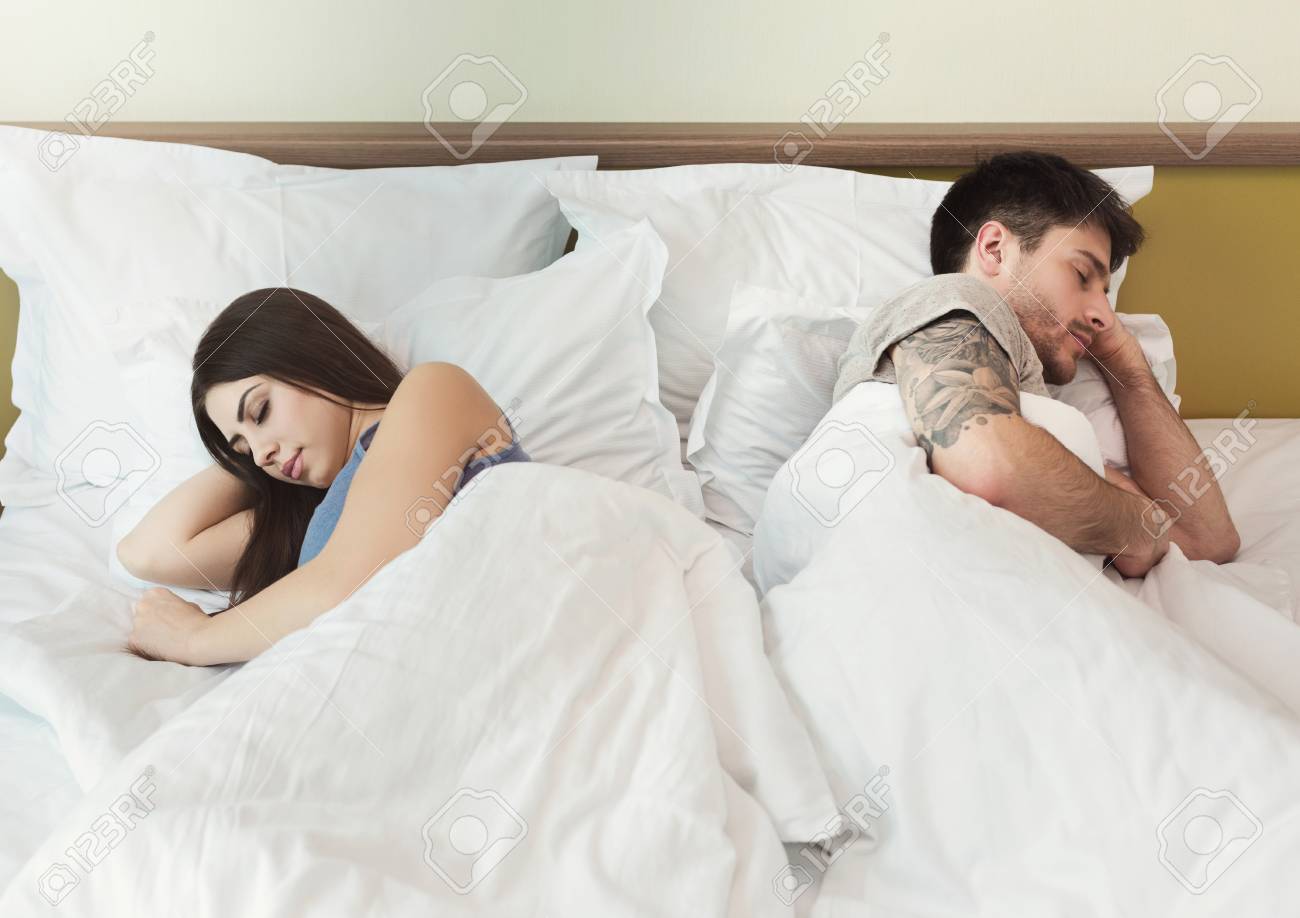

If you’ve ever noticed your partner turning his back on you in bed, you’ve probably wondered — what does it mean?
Is he upset? Losing interest? Or is it simply about comfort?
The truth is, the way someone sleeps can reveal subtle emotional cues about their inner state — but it’s rarely as simple as “he doesn’t care anymore.”
Before you overthink it, it’s worth exploring the deeper, more nuanced reasons why a man might turn his back while sleeping — and what it can actually say about your relationship.
1. It’s About Comfort — Not Coldness
The simplest explanation is often the right one: he’s just comfortable that way.
Many people have a preferred sleeping position that helps them relax or fall asleep faster. For men, sleeping on their side — often facing away — is one of the most common and natural positions.
It’s not a rejection; it’s muscle memory.
After a long day, his body may instinctively shift into the position that feels most restful.
So, don’t mistake physical direction for emotional distance. Sometimes, he’s just trying to get a good night’s sleep.
2. He Feels Safe and Secure With You
Believe it or not, turning his back can actually be a sign of comfort and trust.
When someone feels emotionally safe, they don’t feel the need to be on alert — even while sleeping.
A man who turns away may be subconsciously expressing that he feels secure enough to relax completely around you.
In psychology, this behavior can reflect a deep level of emotional comfort and attachment.
It’s the kind of silent trust that says, “I can rest easy beside you.”
3. He Needs a Bit of Space — and That’s Okay
Even in the closest relationships, everyone needs moments of personal space — including while sleeping.
Turning his back might simply mean he’s decompressing, unwinding, or resetting his mind after a long day.
It doesn’t mean he loves you any less; it just means he’s recharging.
In fact, healthy couples often have a rhythm of closeness and independence — moments of cuddling followed by comfortable distance.
That balance can strengthen emotional intimacy rather than weaken it.
4. He Might Be Processing Stress or Overthinking
Sometimes, when a man turns his back, it’s not about you at all — it’s about what’s weighing on his mind.
Men often internalize stress rather than talk about it.
Whether it’s work pressure, family issues, or personal worries, he might turn away as a way to quietly process his thoughts.
If this behavior seems new or unusual, it might be a gentle signal that he’s emotionally overloaded — not distant, but mentally occupied.
A simple, kind question like “You okay lately?” can go a long way.
5. Emotional Disconnection Can Sometimes Be a Factor
While most reasons are innocent, it’s true that sometimes turning away can reflect emotional distance.
If your partner used to cuddle, hold your hand, or sleep close — and suddenly creates space without explanation — it could mean he’s feeling withdrawn, frustrated, or unfulfilled.
This doesn’t necessarily signal the end of intimacy, but it’s worth noticing.
Consistent emotional distance at night can mirror what’s happening during the day — less communication, less affection, or unresolved tension.
Rather than making assumptions, open a gentle conversation.
Try saying: “I’ve noticed you’ve been sleeping differently lately — is everything okay between us?”
You might be surprised by his honesty when approached with warmth, not blame.
6. He’s Trying Not to Disturb You
Some men are more considerate than they appear.
If you’re a light sleeper or easily disturbed, he might turn his back to give you space to rest peacefully.
He may be trying to move quietly, check his phone, or change positions without waking you.
What looks like distance might actually be thoughtfulness — a small, quiet act of care.
7. It’s Just a Natural Phase in Long-Term Relationships
Every relationship goes through phases — early passion, comfortable familiarity, deep companionship.
As love matures, the physical closeness that once felt constant may become more relaxed and natural.
Turning away while sleeping can simply mean you’ve reached a point of emotional security — where being close doesn’t always require constant touch.
Many happy, long-term couples sleep back-to-back or separately but remain deeply connected.
The real measure of closeness isn’t in inches — it’s in emotional presence.
8. He’s Subconsciously Reflecting Emotional Energy
Body language often mirrors emotional states.
If there’s been tension, arguments, or unspoken frustration, that energy can carry into sleep.
A man turning away could be subconsciously expressing a need for emotional space — not to punish, but to self-regulate.
If this is happening alongside less communication or affection, it might be time to address what’s been left unsaid.
A heartfelt talk — not a confrontation — can help clear the air.
9. He Might Sleep Better That Way
Science actually backs this one:
Sleeping on the left or right side can improve digestion, breathing, and back alignment — particularly for men with shoulder or snoring issues.
So sometimes, turning his back is purely biological, not emotional.
If he snores less or sleeps better in that position, he’s likely just doing what’s healthiest for his body.
10. It’s Not About Distance — It’s About Comfort, Rhythm, and Trust
At the end of the day, relationships have rhythms.
Some nights you’ll fall asleep tangled in each other’s arms, and other nights you’ll face opposite directions — and that’s completely normal.
What matters most is not how close your bodies are while sleeping, but how connected your hearts feel while awake.
Final Thoughts
A man turning his back while sleeping isn’t necessarily a sign of rejection — it can actually represent comfort, safety, or the natural ebb and flow of intimacy.
Instead of assuming the worst, notice the bigger picture:
How does he treat you during the day?
Does he still show affection, communicate, and care?
If the answer is yes, then his sleeping position is just that — a position.
Because real closeness isn’t defined by which way he faces at night — it’s defined by the way he shows up for you when the morning comes.