




For many couples, sharing a bed is one of the most intimate and comforting parts of a relationship. It’s where the day ends, where warmth is shared, and where quiet connection happens.
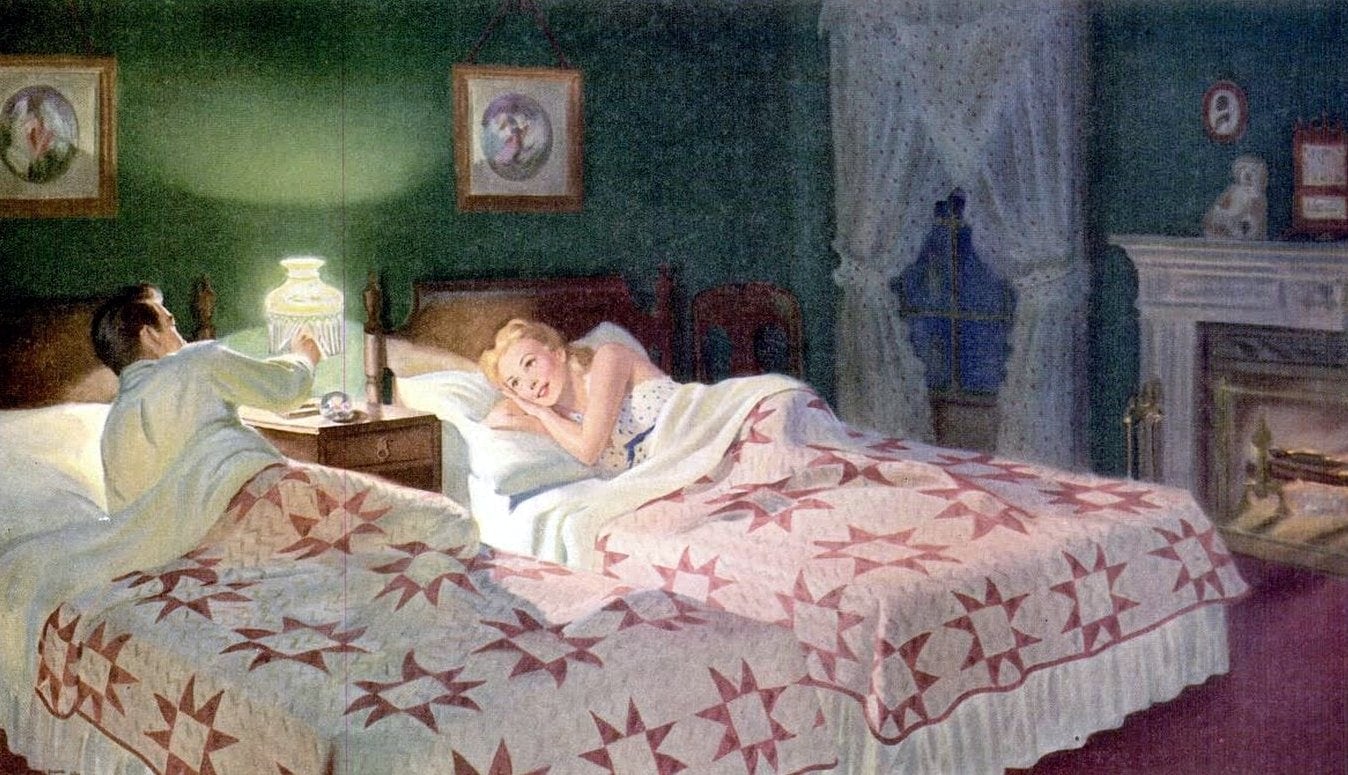
But as time goes on, especially after the age of 50, more and more couples are choosing to sleep in separate beds — or even separate bedrooms. While it may sound like a sign of emotional distance, the truth is often far more practical, and sometimes, surprisingly healthy.
Here’s what experts say about why this shift happens — and what it really means for relationships later in life.
1. Changing Sleep Patterns With Age
As we get older, our sleep cycles naturally change. Many adults over 50 experience lighter sleep, frequent awakenings, or difficulty falling back asleep after waking up during the night.
When one partner tosses and turns or wakes up early, it can easily disrupt the other’s rest. Over time, couples often find that separate beds help both partners sleep better — and better sleep often leads to better moods, patience, and emotional health during the day.
2. Snoring and Sleep Apnea
One of the most common reasons older couples stop sharing a bed is snoring. It’s not just annoying — it can make it nearly impossible for the other person to rest.
In some cases, snoring is linked to sleep apnea, a condition that causes interrupted breathing at night.
Rather than spending sleepless nights frustrated, many couples find that sleeping apart actually improves their relationship, because both partners finally get the rest they need.
3. Different Sleep Preferences
After years together, couples sometimes realize their sleep styles simply don’t match.
One may like a firm mattress, while the other prefers something softer. One might sleep hot and need light covers, while the other likes heavy blankets.
Even preferences like temperature, noise, or light levels can make sharing a bed challenging. Separate sleeping spaces allow both partners to create their ideal environment — without compromise or resentment.
4. Health Concerns and Physical Comfort
Physical changes after 50 can make sharing a bed uncomfortable. Arthritis, back pain, hot flashes, and restless leg syndrome can all make nighttime more complicated.
In these cases, having separate beds gives each partner room to move, stretch, and find a comfortable position without worrying about disturbing the other. It’s not about distance — it’s about self-care and respecting each other’s health.
5. The Desire for Quality Sleep
Sleep deprivation affects mood, focus, and even long-term health. Couples who sleep poorly together often report increased irritability and less patience with each other.
Ironically, many find that sleeping separately makes them feel closer — because they wake up refreshed, happier, and more emotionally available. Rest becomes a form of love and respect.
6. Shifting Intimacy Dynamics
For some couples, intimacy evolves with age. After 50, physical closeness can take new forms — emotional connection, shared activities, laughter, and mutual care often become more important than nightly cuddles.
Sleeping separately doesn’t mean the spark is gone; in fact, many couples report that intimacy improves because they no longer associate bedtime with tension, discomfort, or exhaustion.
7. Different Work or Sleep Schedules
Some couples have different sleep routines. One may stay up reading or watching TV, while the other prefers to go to bed early. Others wake up early for work or morning exercise.
Instead of forcing one partner to adjust, many couples simply create separate sleep routines that fit their lives — maintaining harmony and rest without conflict.
8. Hormonal and Metabolic Changes
Hormonal changes, especially during menopause or andropause, can affect sleep in surprising ways.
Hot flashes, night sweats, or changes in metabolism can make it hard for one partner to sleep comfortably beside the other.
Having space to manage these symptoms independently can be a form of mutual respect and understanding. It allows both partners to rest without discomfort or guilt.
9. Emotional Independence and Personal Space
After decades of marriage or partnership, many couples learn the value of personal space.
Sleeping apart doesn’t always mean emotional separation — sometimes, it’s simply about maintaining a sense of individuality.
Having separate beds or bedrooms can actually bring couples closer emotionally, because both partners feel rested, respected, and free to recharge in their own way.
10. It’s Not the End of Romance — It’s a New Chapter
Perhaps the most important thing to understand is that sleeping separately doesn’t mean the relationship is failing. In fact, it can reflect emotional maturity and deep understanding.
Couples who prioritize each other’s rest and well-being often discover that intimacy, communication, and affection flourish when both people are truly rested and content.
Many even joke that having two bedrooms keeps the relationship fresh — it makes “sleepovers” exciting again.
The Bottom Line
After 50, many couples are realizing that separate beds can mean better sleep, stronger health, and a happier relationship.
It’s not about distance — it’s about connection, comfort, and knowing what truly works for both partners.
Love doesn’t depend on sharing a blanket. It thrives on mutual respect, rest, and understanding — and sometimes, that means giving each other space to sleep soundly.